
Ultimate Selection Of Concrete Leveling Products For Smooth Results
Find the most effective tools and supplies that help you level concrete surfaces with precision and ease, ensuring long-lasting stability.
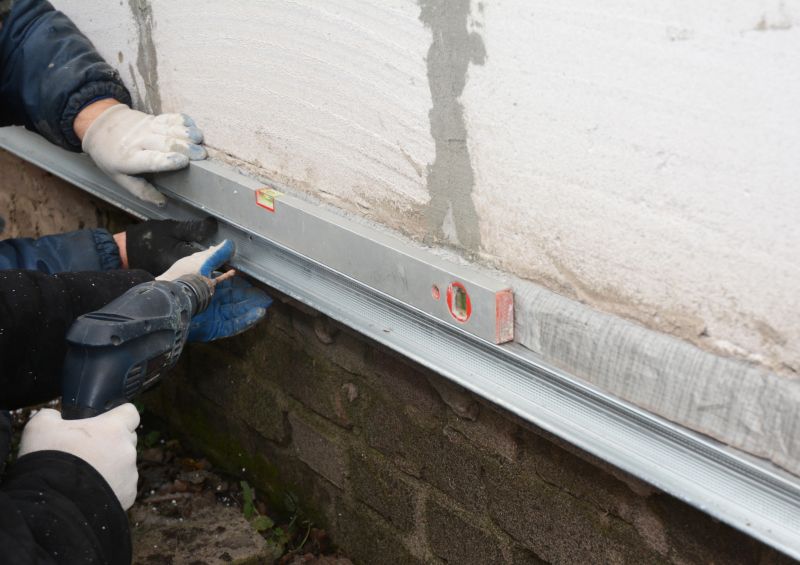 Concrete leveling is an essential process for maintaining the safety, appearance, and functionality of concrete surfaces around homes and commercial properties. Over time, concrete slabs can settle, crack, or develop uneven surfaces due to soil movement, moisture changes, or age. Addressing these issues promptly helps prevent further deterioration and potential safety hazards. Various products are available to assist with leveling, ranging from DIY solutions to professional-grade materials. Choosing the right products depends on the specific needs of the project, the extent of the unevenness, and the desired longevity of the repair.
Top Overall Option
Polyurethane Concrete Leveling Kit
A versatile polyurethane foam kit designed for residential and light commercial concrete repairs. It offers ease of application, quick curing times, and minimal surface disruption, making it suitable for various leveling needs. This type of product is often favored for its ability to fill voids and lift settled slabs effectively while providing a durable finish.
Types of Products For Concrete Levelings
Polyurethane Foam Injection
Used for quick and minimally invasive lifting of settled slabs, ideal for residential driveways and walkways.
Self-Leveling Concrete Compound
A liquid mixture that flows to fill uneven surfaces, often used for interior floors and patios.
Mudjacking Slurry Mix
A cement-based slurry used to lift and stabilize sunken concrete slabs, suitable for larger areas.
Polymer-Modified Concrete Patches
Patches that incorporate polymers for enhanced adhesion and flexibility in repairing cracks and small holes.
Epoxy Injection Systems
Designed for crack repair and stabilization, providing strong bonding within existing cracks.
Hydraulic Cement Mix
A fast-setting cement used for filling and sealing cracks and holes in concrete surfaces.
Polyurea Joint Fillers
Flexible fillers used to seal expansion joints and control joints in concrete slabs.
Concrete Resurfacing Products
Thin overlays designed to restore the surface of worn or damaged concrete, providing a uniform appearance.
Cementitious Grouts
High-strength grouts used to fill voids beneath slabs and stabilize foundations.
Liquid Cement Fillers
Flowable materials for filling cracks and voids, suitable for interior and exterior applications.
Popular Choices
Widely used for residential and commercial leveling projects, appreciated for their ease of use and quick results.
Commonly used for interior flooring, providing a smooth, level surface over uneven concrete.
Popular for larger slab repairs, offering a cost-effective alternative to replacement.
Favored for its strong bonding capabilities in repairing structural cracks.
Used to improve the appearance and durability of worn concrete surfaces.
A quick-setting option for sealing cracks and small holes effectively.
Flexible, durable patches suitable for surface repairs and small cracks.
Flexible fillers that accommodate joint movement and prevent cracking.
High-strength grout used for stabilization and void filling beneath slabs.
Flowable materials that help achieve a level surface in interior spaces.
Flexible sealants used for expansion joints and surface sealing.
Designed for structural stabilization and crack injection in foundations.
In the realm of concrete leveling, there are products designed for different methods such as slurry mixes, polyurethane foam injections, and self-leveling compounds. Each type offers unique advantages in terms of ease of use, speed of application, and suitability for different types of repairs. For instance, polyurethane foam injections are popular for their quick curing times and minimal disruption, making them ideal for residential walkways and driveways. Self-leveling compounds provide a smooth, flat surface and are often used for interior flooring applications.
When considering products for concrete leveling, it is important to evaluate factors such as load-bearing capacity, compatibility with existing concrete, ease of application, and safety considerations. Proper preparation of the surface and adherence to manufacturer instructions are critical for achieving optimal results. Whether tackling small cracks or large uneven slabs, selecting the appropriate product can make a significant difference in the durability and appearance of the repair. Consulting with professionals or researching product specifications can help ensure a successful outcome for your concrete leveling project in Morgantown, WV.
Key Buying Considerations
- Assess the extent of the unevenness or damage to determine the most suitable product type.
- Consider load-bearing requirements to ensure the repair material provides adequate support.
- Check compatibility with existing concrete surfaces to prevent adhesion issues.
- Evaluate ease of application based on your skill level and available tools.
- Review curing times to plan your project schedule effectively.
- Determine whether the product is suitable for interior, exterior, or both environments.
- Look into the flexibility and durability of the product for long-term performance.
- Ensure the product is appropriate for the size of the area being repaired.
- Consider safety instructions and required personal protective equipment during application.
- Verify the product's resistance to weather conditions if used outdoors.
- Check for any special surface preparation requirements to optimize adhesion.
- Assess whether the product can be used for both lifting and stabilizing slabs.
- Review manufacturer instructions for mixing, application, and curing to ensure proper use.
- Consider cost-effectiveness relative to the scope of your project.
- Look for products with clear instructions and technical support options.